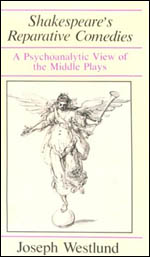
Shakespeare’s Reparative Comedies
A Psychoanalytic View of the Middle Ages
9780226894133
Shakespeare’s Reparative Comedies
A Psychoanalytic View of the Middle Ages
Joseph Westlund brings recent developments in psychoanalytic thought to his elegant and sensitive readings of Shakespeare’s Merchant of Venice, Much Ado About Nothing, As You Like It, Twelfth Night, All’s Well That Ends Well, and Measure for Measure. Westlund departs from the usual preoccupation in psychoanalytic criticism with conflict and guilt to rely instead on Melanie Klein’s theory of reparation, which emphasizes the impulse in life to resolve and transcend conflict. Through interpretations that are new and convincing, Westlund views the interactions of characters in the six comedies as attempts to work through anger and guilt to effect reparations for themselves and for us.

Table of Contents
Preface
Note on the Text
1. Introduction
2. The Merchant of Venice
Merging with a Perfect World
3. Much Ado about Nothing
The Temptation to Isolate
4. As You Like It
Serene Autonomy
5. Twelfth Night
Idealization as an Issue
6. All’s Well that Ends Well
Longing, Idealization, and Sadness
7. Measure for Measure
Adapting to an Unidealized World
Conclusion
Index
Note on the Text
1. Introduction
2. The Merchant of Venice
Merging with a Perfect World
3. Much Ado about Nothing
The Temptation to Isolate
4. As You Like It
Serene Autonomy
5. Twelfth Night
Idealization as an Issue
6. All’s Well that Ends Well
Longing, Idealization, and Sadness
7. Measure for Measure
Adapting to an Unidealized World
Conclusion
Index